Feb 16 / Mark Allday

Safeguarding Update: What Leaders Need to Know About the Draft KCSiE 2026

Author: Mark Allday – Former school leader with extensive experience in UK education
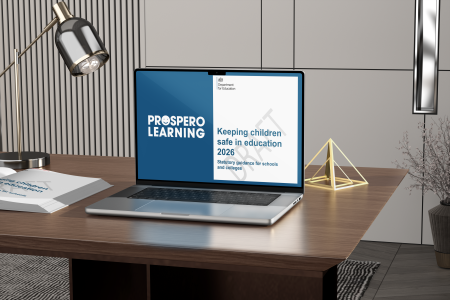
The Department for Education is consulting on updated draft guidance for Keeping Children Safe in Education (KCSIE), with proposals that if approved will become statutory. Professionals working with children and young people can provide feedback on the guidance until 22nd April 2026. More information can be found here.

Below, we break down the key proposed changes and what they could mean in practice for schools and other settings working with children and young people.

Supporting Children Questioning Their Gender

Following the findings of the Cass Review, the draft guidance introduces a new section on children who are questioning their gender identity.

Schools are advised not to initiate social transition and to take a “very careful approach”, particularly in primary settings. Parents should be involved in the vast majority of cases, and any decisions must be rooted firmly in safeguarding principles.

The guidance also makes clear that single-sex facilities (such as toilets and changing rooms) remain unchanged, with no exceptions. Schools are expected to handle conversations around this sensitively and carefully, ensuring children feel supported while maintaining legal clarity.

Mental Health Explicitly Recognised as a Safeguarding Issue

For the first time, the draft guidance states clearly that mental health difficulties can, in some cases, become safeguarding concerns.

This includes situations involving:

• self-harm
• suicidal ideation or risk

While staff are reminded that only medical professionals can diagnose mental health conditions, schools are expected to respond appropriately when mental health concerns present a safeguarding risk.

AI “Deepfakes” Classified as Child-on-Child Abuse

The draft updates the definition of child-on-child abuse to reflect advances in technology.

This includes:

• consensual and non-consensual sharing of self-generated intimate images or videos
• AI-generated content, including deepfakes

The guidance also explicitly recognises:
• misogyny as a form of harmful sexual behaviour
• upskirting as a criminal offence (reflecting changes in the law)

Schools will need to ensure policies and staff training reflect these updated definitions.

Serious Violence and Weapons: Stronger Reporting Expectations

The draft guidance strengthens expectations around serious violence.

All staff must report concerns about a child:

• carrying a weapon
• using a weapon
• expressing intent to use one

These concerns should be passed immediately to the Designated Safeguarding Lead (DSL), who must assess risk and take appropriate action, including steps to de-escalate conflict where necessary.

The guidance reinforces the importance of early intervention, particularly for pupils with disrupted education, highlighting:

• trusted adult relationships
• social and emotional skills support
• mentoring or therapeutic interventions where available

New Expectations Under Operation Encompass

The draft guidance expands on schools’ responsibilities under Operation Encompass, the statutory duty requiring police to notify schools when a child may have been exposed to domestic abuse.

Information shared by police may include:

• the child’s name and relationship to the incident
• a police reference number
• incident details
• the voice of the child (what they are saying and how they are behaving)

Schools must continue to handle this information in line with data protection laws, recognising its highly sensitive nature.

Annual Reviews of Filtering and Monitoring Systems

The guidance introduces greater clarity around online safety systems.

Schools would now be expected to review the effectiveness of filtering and monitoring systems at least once every academic year.

Previously, schools were required to monitor effectiveness but without a defined timeframe. This change strengthens accountability and reinforces the importance of ongoing digital safeguarding.

Mobile Phones: “Phone-Free by Default”

The draft reiterates the government’s recent position on mobile phones in schools.

All schools are expected to operate as mobile-phone-free environments by default, with any deviation being exceptional rather than routine.

This includes restricting access:

• during lessons

• between lessons

• at breaktimes and lunchtime

Schools should ensure their behaviour and safeguarding policies clearly reflect this expectation.

How can Prospero Learning support your school or college?

We will be working on updating all our training and CPD offer in readiness for the guidance coming into effect. For September 2026 this will include:

• Keeping Children Safe in Education Knowledge Check
• Introductory Safeguarding (Level 1) course - FREE
• Intermediate Safeguarding (Level 2) course
• Advanced Safeguarding (Level 3) course
All our training is accredited and certified by CPDUK and has been designed in line with the latest DfE, Ofsted and wider government guidance around safeguarding to help you meet your statutory requirements and support compliance. Our courses are written by education experts.

Find out more here

Recommended Courses

Created with